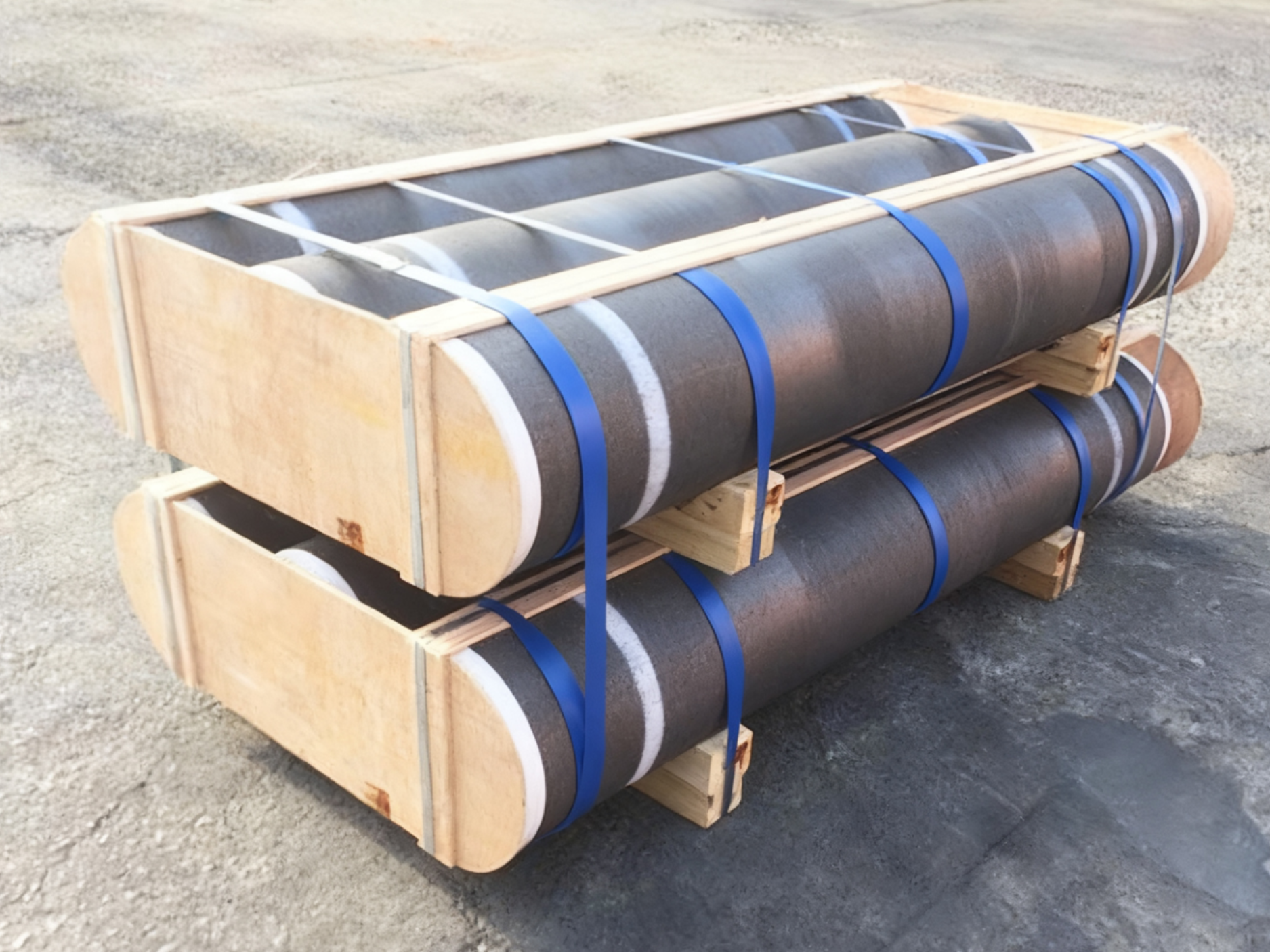
Calcined Petroleum Coke for Titanium Dioxide Production: A Key Raw Material for the Chloride Process
Calcined Petroleum Coke for Titanium Dioxide Production | Reliable CPC Supplier for the Chloride Process
Titanium dioxide (TiO₂) ranks among the most widely used white pigments in the world. Manufacturers rely on it in coatings, plastics, inks, paper, and many other industrial products. Modern titanium dioxide plants often use the chloride process, which requires a stable carbon source during chlorination.
Calcined petroleum coke (CPC) plays a crucial role in this stage. Titanium dioxide producers depend on high-quality CPC to ensure stable chemical reactions and efficient TiCl₄ generation.
As an experienced calcined petroleum coke supplier, ShanChun Carbon® provide reliable CPC materials that support titanium dioxide plants worldwide.
The Role of Calcined Petroleum Coke in the Chloride Process
Titanium dioxide producers convert titanium ore into titanium tetrachloride through chlorination. This stage requires chlorine gas and a carbon source.
Calcined petroleum coke supplies the carbon required for the reaction. The carbon removes oxygen from titanium oxide and enables the formation of titanium tetrachloride.
The simplified reaction follows this path:
TiO₂ + 2Cl₂ + C → TiCl₄ + CO₂
Titanium tetrachloride then undergoes purification and oxidation to form high-purity titanium dioxide pigment. Because this reaction operates at high temperatures, titanium dioxide plants require carbon materials with stable chemical and physical properties. Calcined petroleum coke provides the consistency required for this process.
You can learn more about the chloride process from the Titanium Dioxide Manufacturers Association.
Why Titanium Dioxide Plants Use Calcined Petroleum Coke Instead of Raw Coke
Raw petroleum coke contains volatile matter and unstable structures. These characteristics reduce process stability during chlorination.
Calcination transforms petroleum coke at temperatures above 1200°C. This process removes volatile components and improves carbon purity.
As a result, calcined petroleum coke offers several advantages for TiO₂ production.
High Fixed Carbon Content
Calcination increases fixed carbon levels and improves reaction efficiency. High carbon purity supports stable chlorination.
Low Volatile Matter
Low volatile content reduces unwanted reactions in the reactor and improves process control.
Strong Structural Stability
Calcined petroleum coke maintains structural integrity under high-temperature industrial conditions.
Consistent Chemical Performance
Stable chemical composition allows titanium dioxide plants to maintain predictable reaction behavior.
These advantages explain why most chloride-process TiO₂ plants specify calcined petroleum cokeas the preferred carbon source.
Key Quality Parameters for Titanium Dioxide Producers
Titanium dioxide manufacturers evaluate calcined petroleum coke according to several technical indicators. Stable quality across these parameters ensures reliable operation.
Key specifications usually include:
- Fixed Carbon Content
- Sulfur Content
- Ash Content
- Volatile Matter
- Particle Size Distribution
- Real Density
Each TiO₂ plant may define its own particle size range depending on reactor design and feeding systems.
For additional technical information about petroleum coke classification, refer to the American Fuel & Petrochemical Manufacturers.
Global Titanium Dioxide Producers Using the Chloride Process
Many leading titanium dioxide manufacturers operate chloride-process facilities that require stable carbon materials.
Major producers include:
- Chemours
- Tronox
- Kronos Worldwide
These companies operate large-scale plants that consume significant volumes of calcined petroleum coke every year.
As global demand for coatings, plastics, and construction materials grows, titanium dioxide production continues to expand. This trend also increases global demand for high-quality CPC supply.
How to Choose a Reliable Calcined Petroleum Coke Supplier
Titanium dioxide plants often build long-term relationships with CPC suppliers. Stable supply and consistent quality play a critical role in plant performance.
A reliable calcined petroleum coke supplier should provide:
- Consistent product quality
- Controlled calcination processes
- Stable sulfur and ash levels
- Flexible particle size options
- Reliable export logistics
- Technical support for industrial applications
Reliable supply helps titanium dioxide manufacturers maintain continuous production and reduce operational risks.
Our Calcined Petroleum Coke Supply for TiO₂ Producers
We supply high-quality calcined petroleum coke for industrial applications, including titanium dioxide production.
Our CPC products offer:
- High fixed carbon content
- Low volatile matter
- Controlled sulfur levels
- Stable particle size distribution
- Reliable global shipment
Our team works closely with industrial customers to ensure stable material performance and long-term cooperation.
Learn more about our product here:
Internal Link: Calcined Petroleum Coke Product Page
If your company plans to source calcined petroleum coke for titanium dioxide production, our team welcomes your inquiry.
FAQ: Calcined Petroleum Coke for Titanium Dioxide Production
Why does the chloride process require carbon?
Carbon removes oxygen from titanium ore during chlorination and enables the formation of titanium tetrachloride.
What particle size does a TiO₂ plant usually require?
Particle size requirements vary by plant design. Many plants use granular CPC within controlled size ranges to ensure stable feeding.
Does sulfur content matter for TiO₂ production?
Yes. Sulfur content affects reaction stability and downstream purification, so producers usually specify strict sulfur limits.

Copyrights © 2026 shanchuncarbon. All rights reserved.